Research
Drug firms' private structures improve AI protein-ligand predictions, consortium reports
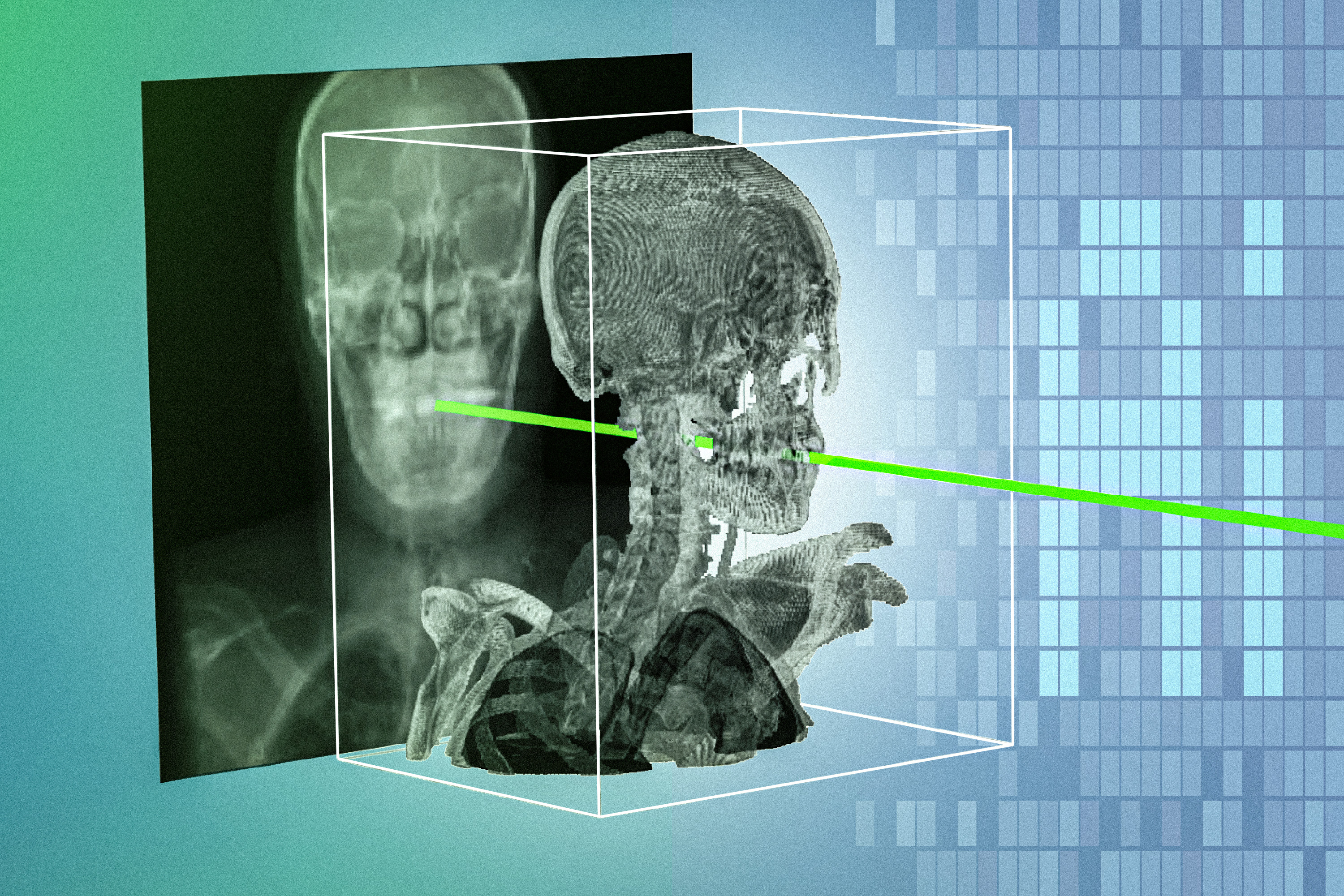
A consortium of five drug companies fine-tuned the open-source OpenFold3 model on 20,167 proprietary protein structures without pooling the data. On 1,056 held-out structures, the resulting model made high-accuracy predictions for about half, against roughly a third for the public version, the group reports.
The results were posted on Sept. 14 by Apheris, which supplied the federated computing software, with co-authors from AbbVie, Astex Pharmaceuticals, Bristol Myers Squibb, Johnson & Johnson, Takeda and Columbia University, working as the AI Structural Biology (AISB) Network. Each company kept its structures, which show proteins bound to drug-discovery compounds, inside its own systems. The model was sent to the data and only model parameters were shared, the report says.
Each partner held back 5% of its structures, split by drug-discovery project, for testing. On that set the fine-tuned model, AISB-1-Fed, met the interface-accuracy threshold on 52.1% of structures, compared with 35.6% for the OpenFold3 preview it started from and 40.9% for Boltz-2, the strongest public baseline tested. For ligand placement within 2 angstroms, the figures were 46.8%, 28.9% and 36.5%.
An Astex executive told Nature that the public Protein Data Bank holds perhaps 10,000 structures of proteins with drug-like molecules. Nature noted the work is not peer reviewed and the model is not publicly available. The authors call it an early proof of concept, tested only on partner data.
Source details
- Source
- Apheris
Source reporting
Read the original reporting and research behind this briefing.